“If there was ever a fairytale city brought to life, it would look like this” - will probably be your first thought when you meet Ljubljana.
Obviously, the castle that overlooks the whole city from the hill might have something to do with that impression. In the very least, it fortifies it. Then, we know that every castle needs to have a mythical beast guarding it. In Ljubljana, those are the green dragons standing strong on the river Ljubljanica. But what is a fairytale without romance? Here we have lovers turned to bronze, whose love story every Slovenian knows. All of this is decorated with the colourful unique architecture designed by Jože Plečnik, that gives Ljubljana the look of a very elegantly designed storybook set. Then to top it off, the city is surrounded with whimsical forests, the mighty Alp mountains, magnificent lakes and delicious-looking vineyards. I think you get the point.
The name itself hints at how much of an impression this city will make on you. In Slovenian, “ljubljena” is how you call your beloved one. And, as the name suggests, the warmth, snugness and colourfulness of Ljubljana will be calling you back to visit time and time again.
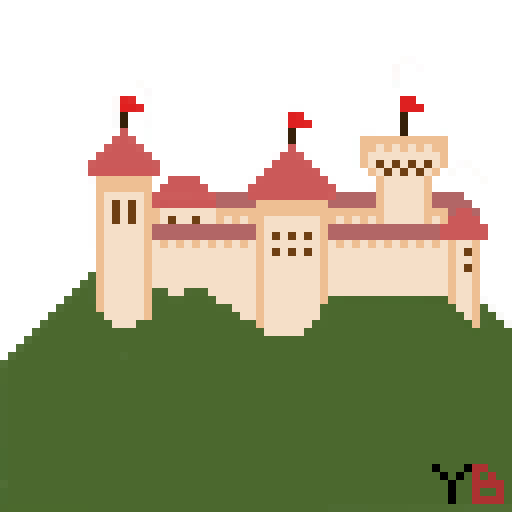
CASTLE
Picture a medieval fortress and you are probably not far off from how the Ljubljana Castle looks. Standing strong on the hill overlooking Ljubljana, the castle borders are defined by the overwatch towers. It holds a gunpowder storage, dungeons, a chapel and a beautiful courtyard. The castle buildings are now repurposed into a museum, restaurant, souvenir shops and similar tourism supporting facilities, but the castle still has its medieval charm.
The castle is dated to the early 12th century, and was first owned by the Spanheim family. Originally, the structure was mostly made of wood, until the seize in 1335 from the Habsburg dinasty. The Habsburgs recognized the strategic importance of the castle's position and began the reconstruction with stone. This reinforcement made it possible for the castle to serve as a defensive structure during the incursions of the Ottoman Empire in the 15th century. The castle's purpose changed with time depending on the needs of the ruler. Some of its roles were: military hospital, state penitentiary, quarantine station, shelter... Now, it stands tall as a granduous monument of the past but also as a symbol of Slovenia's strength and perserverance.
One of its newer roles is that of a Ljubljana's cultural hub. During the year, there are a lot of events like concerts, exhibitions and performances that you can visit, both in the day and in the evening. As part of the all-year-round offer, you can visit one of many Castle's museums, and take part in an escape room game which teaches you about the Castle's history through play. There are also repeating seasonal events, like cinema in the open, Christmas fair and this year they started the Easter fair. Here is the official website for the Ljubljana's castle: ljubljanskigrad.si, where you can buy tickets ahead of time and see what events they are currently offering.
You can access the castle by car, on foot (not suitable for couch potatoes, as it is steep af) or using the funicular that starts in the Ljubljana centre. The tickets for the funicular can be bought at the funicular itself or on the website above.
LJUBLJANICA
The river slicing through the centre of this beautiful city is Ljubljanica. Its origin is in Slovenia, and it flows into the Sava River down south. In the centre of Ljubljana, both sides of Ljubljanica are filled with various restaurants and bars where you can enjoy Slovenian cuisine out in the open, both in winter and summer months.
You can also take a ride with the Boat Ljubljanica, which takes you on a small cruise from Breg, through the Old Town, and then under the Triple and Dragon bridges. Detailed information and ticket prices for the ride can be found on the main tourist web page which also lets you get a tourist card that covers most of attractions: visitljubljana.com. When the weather is nice, this is the perfect way to experience Ljubljana and the city centre. You might see a nutria or two as well!
This river has been of interest to treasure hunters and archaeologists who have found many interesting historical items in its depths. In 2003, the Ljubljanica river was declared a cultural monument of national importance as an important archaeological site. One of the explanations of why so many items from different times have ended up in the river lies in the Slovene folklore – rivers are believed to be sacred, and one could make an offering to receive blessings, or to be spared of hardship.
You can find many of the retrieved artifacts in the National Museum of Slovenia in their permanent exhibition. To see more details on the current exhibitions and plan your visit, check out their official page: nms.si.
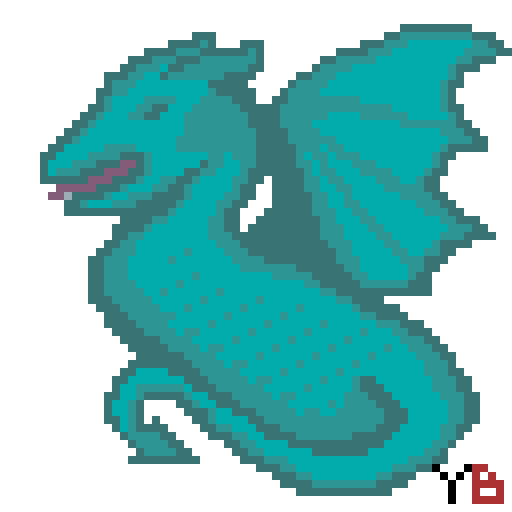
DRAGONS
The green feisty dragons are one of the main symbols of Ljubljana, representing power, courage and greatness. The original dragon statues are on the Dragon Bridge standing over the Ljubljanica, but you can also find them in the city's coat of arms and in subtle decorations all around the city.
These dragons were historically very popular as they are tied to many legends. The most prominent one is the story of Saint George who slayed the dragon, representing how Christianity overcame paganism. You can find a 500-year-old chapel dedicated to him in the Ljubljana Castle. Another legend tells the story about Jason and the Argonauts, who traveled to Ljubljanica from the Black Sea. Near the source of the Ljubljanica, they met a dragon who Jason fought and defeated.
If you visit Ljubljana in February, you can have fun at the Dragon Carnival which fills Ljubljana streets with music and joy. The parade is full of pagan folk figures, and of course, dragons!
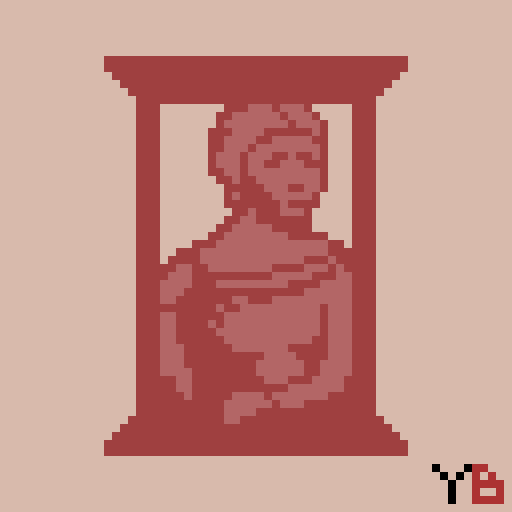
LOVERS IN BRONZE
On the central town square in Ljubljana, you can find the statue of the famous Slovenian poet, France Prešeren. He is considered to be the greatest Slovene classical poet, writing about pains of love and war. His most important work is "A Wreath of Sonnets", which is a crown of 15 sonnets, where each sonnet starts with the last line of the previous one. You can read them here: preseren.net
If you follow the eyes of the bronze Prešeren, you will see another statue across the square: the statue of Julija Primic, looking through a bronze window down at her admirer.
Julija was France’s great love and his muse. However, their love was not a fulfilled one as her mother did not approve of him. She went on to marry another man but stayed an important figure in the Slovenian history due to her forever-link to Prešeren.
The house that holds Julija’s statue is right next to the one where she lived when she was young. It is where they supposedly first met, and where she would stand on the window while Franc was admiring her. In the inner garden there is a bar where you can take your significant other for a romantic date in a semi secluded area, one that is filled with a history of love connections.

DESIGNED BY PLEČNIK
When Ljubljana was growing into its role today as the Capital of Slovenia, Jože Plečnik was there to hold her hand and help her through the transition.
Jože was a Slovenian architect whose style was a mix of the Vienna Secession, Slovenian baroque traditions and Byzantine architecture. He designed many public spaces and institutions still present today and integrated them into the already alive city, giving Ljubljana its recognizable look.
Some of his work in Ljubljana is a part of the UNESCO World Heritage:
His work in Ljubljana far exceeds this list though. Plečnik was also very important in the general city planning of Ljubljana, from solving urbanistic challenges to restorations on historic buildings. Many other iconic buildings that you can see while walking through Ljubljana were of his making as well.

PRINCESS KROFI
Every fairytale needs a princess, and this one is extra sweet.
“Princes krofi” (cream puffs) are also called “princeske”, which translates to “little princesses”. These golden puffy pastries are a royal dessert in every Balkan household and are sure to satisfy everyone’s sweet tooth. Even though this dessert originated in France, it feels right at home in a Balkan kitchen.
Thankfully, you don’t need to slay the before mentioned dragon to get you one of these – just walk into one of many “slaščičarna” in Ljubljana and they will trade them for a bit of gold.
If, by any change, princes krofi are not your type of sweets, Slovenia has many more to offer: prekmurska gibanica, potica, sweet štruklji, Bled cream pies (kremšnite).. Most of these are centered around walnuts, cottage cheese and seasonal fruits, but the variety guarantees that everyone will find something they love.
FAREWELL
This should be enough for the introduction. This fairytale city has many more stories to tell, so we will meet again.